

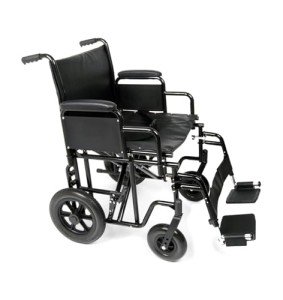
Self Propelled Bariatric Wheelchair
A bariatric wheelchair can increase self-reliance, convenience, and safety for people who are much heavier than a basic chair. Normally, these chairs are suggested by an occupational or physiotherapist with a specialized credential called an ATP (Assistive Technology Professional).
These wheelchairs have actually strengthened frames that can accommodate heavier people. This type of chair can also help reduce the danger of pressure injuries.
Seat-to-floor height
The seat-to-floor height of a self propelled bariatric wheelchair is important for the security and comfort of the person using it. The right height will lower the danger of pressure injuries and guarantee that the person is able to take part in activities of daily living. To take this measurement, the wheelchair user must sit in their chair and put their feet on the footrests. Then, they need to move the chair backwards and forward to see how well their feet remain on the footrests. They ought to also look at the height of their knees and the range between their knees. This measurement will help them find the ideal size for their chair.
In addition to seat-to-floor height, other measurements of a bariatric wheelchair that are important consist of seat width, back height, and seat depth. The right measurements will avoid positioning concerns such as skin shearing, pelvic tilting, and unsteady postures. Seats that are too deep can cause forward weight shift and instability, while seats that are too narrow cause skin shearing. Last but not least, a seat that is too low can result in bad trunk stability.
A secondary factor to consider when choosing a bariatric wheelchair is the ability to meet the person's specialized needs in concerns to rearranging and pressure redistribution. Wheelchairs with seating systems like Broda's Comfort Tension Seating provide pressure management that accommodates a vast array of bariatric body shapes, decreasing the threat of pressure ulcers.
Another area of issue for bariatric wheelchair users is the difficulty of transfering in and out of the wheelchair. Wheelchairs with padded raising leg rests enable caretakers to quickly raise the person in and out of their wheelchair. This eliminates the need to stretch or squat, which can increase the danger of injury and decrease caretaker complete satisfaction.
Ultimately, it's best to have a seating evaluation finished by a certified healthcare specialist. This might be an occupational therapist, physiotherapist, or an assistive innovation expert (ATP). The results of the seating evaluation will function as proof of medical requirement for insurance purposes. It will likewise guarantee that the wheelchair is a great fit for the individual and will allow them to attain their mobility goals. To start, download our free Bariatric Seating Assessment Form from the Broda site.
Weight capacity
The weight capacity of a self propelled bariatric wheelchair is an important factor to consider when selecting a wheelchair for much heavier people. These chairs are typically developed to endure higher body weights than conventional wheelchairs and generally included bigger seat dimensions. They also have strengthened frames and elements to offer greater stability and resilience.
To guarantee that the weight capacity of a wheelchair is suitable for its intended use, it's a great idea to speak with a mobility expert or doctor. They can assess your specific needs and recommend a chair that will best fulfill them. Additionally, they can assist you choose the ideal devices to enhance comfort and support.
For instance, including a back cane or particularly developed placing belts can help provide additional stability and security for people who invest long periods of time in their wheelchairs. Furthermore, including a bariatric tri-foam cushion can supply sophisticated pressure relief to help avoid the development of pressure ulcers.
When searching for a bariatric wheelchair, it's important to precisely measure your height, seat-to-floor, and hip-to-heel ranges to guarantee that the chair is the proper size. It's likewise handy to check drive the chair to see how comfortable it is.
A bariatric wheelchair is a fantastic option for overweight and taller individuals who require a stable and resilient mode of transport. They're normally more large than standard wheelchairs, making them simpler to maneuver and suitable for a larger variety of users. They can likewise be easily tailored to match individual requirements.
Regardless of their bigger frame sizes, bariatric wheelchairs can be folded down to make them simpler to keep and transport. They're also normally lighter than aluminum wheelchairs, making them easier to lift and move around. They can also be acquired with a range of devices to customize them for your special requirements, including power placing systems and iLevel seating. They can even be fitted with attendant brakes for added safety and convenience.
Wheels
This bariatric wheelchair is a self-propelled design, suggesting that the resident of the chair can move it utilizing the wheels at the back. It has a practical handle next to the tires for the occupant to use to turn the wheels, making it much easier for them to steer the chair on their own.
Bariatric wheelchairs also have larger wheels than standard wheelchairs, which make them more stable for heavier users. They are likewise usually more long lasting than their lighter equivalents. Compared to standard wheelchairs, bariatric wheelchairs are more pricey, but they might be covered by Medi-Cal if you have a certifying medical condition.
With an optimum weight capacity of 317kg and double-reinforced upholstery, this durable wheelchair is ideal for those with higher body weights. Its frame is made of chrome-plated steel for maximum durability and includes moulded removable desk arms, swing away detachable foot plates, and adjustable elevating leg rests left and right. This wheelchair likewise has 60cm self moving leak proof rear tyres and front tires and a padded seat sling that is comfy for long-term usage. bariatric wheelchair weight limit folding frame makes it simple to transport and shop. Ideal for both indoor and outdoor use. For additional comfort, this wheelchair can be fitted with a variety of accessories consisting of power positioning systems and iLevel seating.
Seat width
Unlike basic wheelchairs, which have smaller chairs, bariatric chairs are designed to support bigger users. Their frames are made from stronger materials and have larger armrests to accommodate bigger users. They likewise have more roomy seating and bigger wheels. This makes them ideal for everyday indoor and outdoor use. Nevertheless, their bigger size implies they might be harder to steer.
The KM-BT10 is a strong bariatric self propelled wheelchair with a weight capacity of up to 315kg (39 stone) and a seat width of 22" in 2" increments. The wheelchair has a robust and collapsible frame that is simple to stow and lift, energy saving self propel system, attendant and user brakes and a special swing away removable footrest design.
The wheelchair is fitted with solid 24" rear tyres and puncture proof front tires for superior traction and control. It has a strong nylon seat with cushioned raising leg rests that are adjustable left and right for convenience. It can be ordered with or without the leg rests, depending upon the user's requirements.